

Are Gel Ice Packs Safe for Children? What Australian Schools Need to Know
It’s a question most school first aid officers haven’t thought to ask: are the gel ice packs in the sick bay freezer actually safe for children? The honest answer is more nuanced than you might expect — and it’s worth understanding before your next bulk order.
What’s Inside a Standard Gel Ice Pack?
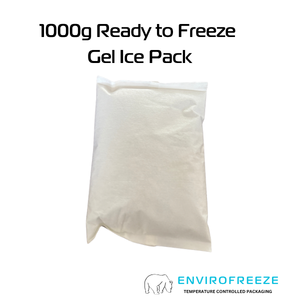
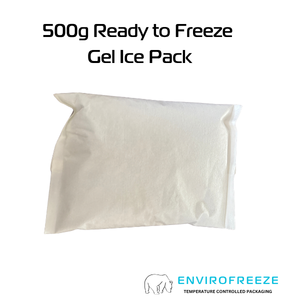
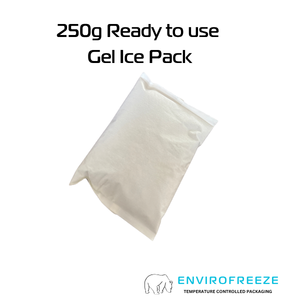
Most consumer-grade gel ice packs use one of two filling materials:
- Propylene glycol — an alcohol-based compound used as antifreeze. It lowers the freezing point of water so the pack stays flexible at cold temperatures. Propylene glycol is generally considered low-toxicity and is used in some food applications, but it is not something you want in contact with open wounds or skin abrasions.
- Silica gel or polymer gel — water-absorbing beads similar to those used in food packaging. Generally inert and non-toxic, but can be a choking hazard if the pack leaks around very young children.
Commercial and medical-grade gel packs often use safer formulations, but many cheaper retail packs — including those commonly bought in bulk for schools — use propylene glycol.
The Real Risk: Leaking Packs
Intact gel packs used correctly pose minimal risk. The concern arises when packs are old, cracked, or punctured — which happens regularly in a busy school sick bay where the same packs are used, refrozen, dropped, and squeezed dozens of times.
A leaking gel pack on a child with a scraped knee or a small abrasion means the gel contents — including any propylene glycol — can contact broken skin. While this is unlikely to cause serious harm, it’s not a situation any first aid officer wants to be explaining to a parent.
What the Australian Guidelines Say
Australian first aid guidelines recommend cold therapy as part of the RICER protocol for soft tissue injuries. They specify that ice should always be applied with a barrier between the pack and the skin — a thin cloth, bandage, or paper towel. This instruction exists partly to prevent ice burn and partly to prevent direct contact between gel pack contents and skin.
The barrier requirement is good practice, but in a busy sick bay environment with a distressed child, it’s also one more step that can be skipped under pressure.
A Safer Alternative for School Use
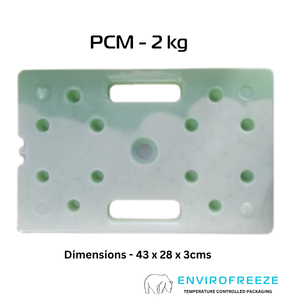
Dry ice packs — ice sheets made from water-absorbent polymer — contain no glycol, no silica beads, and no liquid-phase chemicals. The polymer used is food-safe and non-toxic. If a pack is damaged or leaks, there’s nothing harmful to contact skin.
This makes them the more appropriate choice for school first aid rooms, particularly primary schools where younger children with less predictable behaviour are the primary users of the sick bay.
Summary: What Schools Should Do
- Check the ingredient label on any gel pack before buying in bulk for school use — look for propylene glycol in the filling
- Inspect gel packs regularly and discard any with cracks, punctures, or signs of leaking
- Always use a cloth barrier when applying any ice pack to a child’s skin
- Consider switching to dry ice packs (ice sheets) for a non-toxic, barrier-free alternative that is also more practical to store in volume
Envirofreeze dry ice packs are used in school first aid rooms across Australia. Order a 20-pack trial to assess them for your sick bay, or contact us at envirofreeze@venturelabs.com.au to discuss bulk school supply.
Related Articles
- What Ice Packs Should Be in Every Australian School First Aid Kit?
- Dry Ice Packs vs Gel Ice Packs: What’s the Difference?
- How to Stock Your School Sick Bay for Sports Carnival Season



Add comment