
Can I Ship Frozen Food Without It Melting? A Practical Australian Guide
Yes, you can absolutely ship frozen food without it thawing — but only if you do it properly. A solution that works fine in winter can fall apart completely when Australian summer ambient temperatures hit 35–40°C. Here’s how to get it right from the start.
What Temperature Does Frozen Food Need to Stay at During Shipping?
| Product type | Required temp | Notes |
|---|---|---|
| Ice cream and frozen desserts | Below −18°C | Most demanding — partial thaw causes irreversible texture damage even if refrozen |
| Frozen meat, seafood, poultry | Below −18°C | Short transit excursions to −12°C generally acceptable under Australian food safety standards |
| Frozen ready meals | Below −18°C | Many manufacturers accept delivery at up to −15°C |
| Frozen pharmaceuticals/biologics | Product-specific | Often tighter requirements than food — always check product specification |
What Are the Two Main Approaches to Shipping Frozen Food?
Option 1: Passive Insulated Packaging with PCM or Dry Ice
An insulated box packed with pre-frozen refrigerant maintains temperature for the duration of transit without any power source. Your three main refrigerant options:
- Dry ice (solid CO₂): Sublimates at −78.5°C — the coldest readily available refrigerant. Works well for longer transit times but requires handling precautions, has strict air freight limitations, and disappears during transit
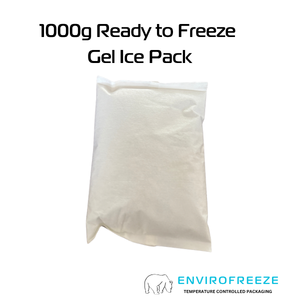
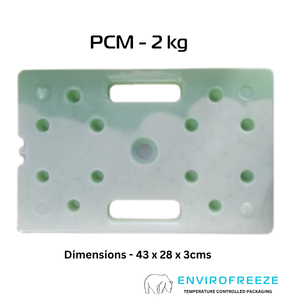
- PCM gel bricks at −18°C or −21°C: Phase change material that maintains −18°C or −21°C throughout the melt cycle. Safer and easier to handle than dry ice, no dangerous goods classification for air freight, fully reusable. For most overnight frozen food parcels in Australia, well-specified PCM bricks work well and are far more practical
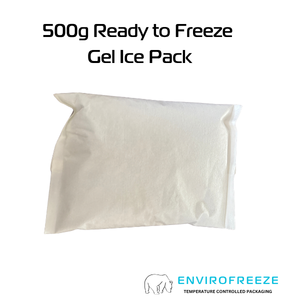
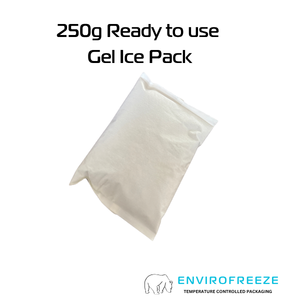
- Standard gel packs: Do NOT use for frozen food — standard gel packs are designed for chilled (2–8°C) applications, not frozen
Option 2: Refrigerated Courier or Freezer Vehicles
For high volumes, long distances, or tight temperature requirements, refrigerated transport is more reliable than passive packaging. Higher cost but more predictable performance, and reduces product loss significantly for consistent frozen freight volumes.
How Long Can Insulated Packaging Hold Frozen Temperature?
A properly packed insulated EPS box with an appropriate quantity of −18°C PCM bricks in Australian summer conditions (30°C+ ambient) should maintain frozen temperatures for 18–30 hours — enough for most overnight domestic deliveries. For longer transits — interstate road freight over 24 hours or deliveries to remote areas — you need a larger refrigerant mass or refrigerated transport.
What Are the Most Common Reasons Frozen Food Thaws in Transit?
- Not pre-conditioning packaging: Packing warm product or a warm box means refrigerant must work overtime just to get everything cold — and runs out faster
- Too little refrigerant: Aim for at least 30–40% of pack weight in refrigerant for frozen applications in Australian summer conditions
- Air gaps in packaging: Air gaps allow warm air to convect around refrigerant, dramatically reducing effectiveness — pack tightly, fill gaps
- Wrong gel packs: Standard gel packs freeze at 0°C — not cold enough for frozen product
- Underestimating transit time: Design for worst-case transit time, not best-case — overnight can run to 30+ hours in peak periods
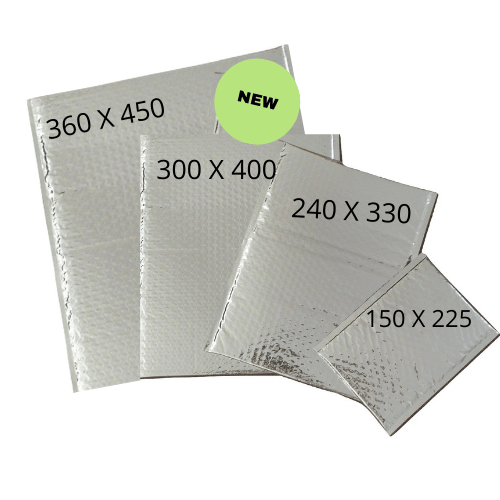
Envirofreeze supplies PCM gel bricks at −15°C, −18°C, and −21°C, insulated mailers, and thermal pallet covers. Contact our team → to discuss the right specification for your transit routes and product types.

Add comment