Gel Packs for Food Shipping in Australia: The Complete Buyer’s Guide
Gel pack is a term that covers several very different products — and choosing the wrong type for your application is one of the most common (and expensive) mistakes in Australian food shipping. Here’s everything you need to know to get it right.
What Are the Different Types of Gel Packs for Food Shipping?
| Type | Freeze temp | Best for | Key advantage |
|---|---|---|---|
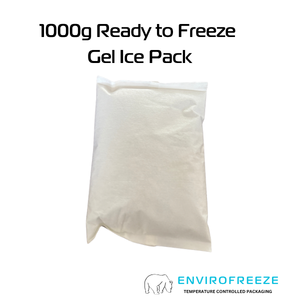
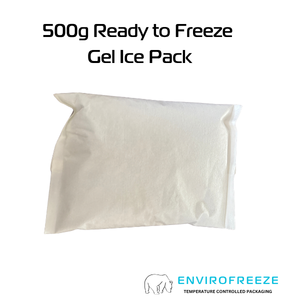
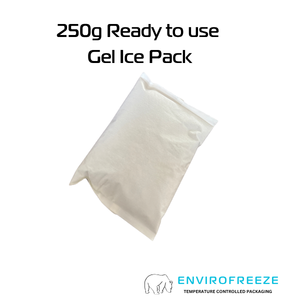
| Standard gel packs | 0°C | Short-term chilled (2–8°C) delivery | Widely available, inexpensive |
| Envirofreeze dry ice packs | ~0°C (flexible when frozen) | Chilled food delivery, first aid, sports | Flexible, cuttable, reusable, flat storage |
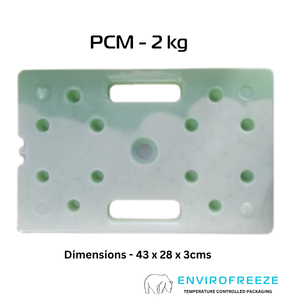
| PCM gel bricks (−18°C or −21°C) | −18°C or −21°C | Frozen food shipping, pharmaceutical | Maintains precise frozen temperature throughout melt |
| PCM gel bricks (+5°C) | +5°C | Pharmaceutical 2–8°C applications | Prevents freezing of sensitive products |
Which Gel Pack Should I Use for Chilled Food Delivery?
For chilled food (products that need to stay 2–8°C), Envirofreeze dry ice packs are the professional choice for Australian food businesses. Unlike rigid standard gel packs, they become flexible when frozen — conforming to the product for better cold contact. They can be cut to any size, store flat in bulk before activation, and are reusable across many cycles. For overnight metro deliveries, standard gel packs work, but for summer conditions, interstate transit, or consistent temperature performance, Envirofreeze packs are significantly more reliable.
Can I Use Standard Gel Packs for Frozen Food?
No — this is one of the most common and costly mistakes in food shipping. Standard gel packs freeze at 0°C. Frozen food needs to stay below −18°C. A standard gel pack cannot maintain frozen product temperature. For frozen food, you need PCM gel bricks formulated at −18°C or −21°C — these are engineered to maintain the correct frozen temperature throughout the melt cycle.
How Much Gel Pack Do I Need for Food Shipping?
- Chilled overnight in mild conditions: 200–400g of gel pack per litre of insulated volume
- Summer or interstate: 40–50% of total pack weight in gel packs as a starting point
- Frozen (−18°C): At least 40–50% of pack weight in PCM bricks — more for Australian summer conditions or longer transits
The only reliable way to know if your spec works is to test it with a temperature logger under your worst-case conditions. Don’t assume — test before committing at volume.
What Are the Benefits of Buying Gel Packs in Bulk?
Envirofreeze dry ice packs are supplied dry (unactivated) in bulk packs of 20, 100, 350, or 1,400 units. Because they store flat and dry with no expiry date in dry storage, you activate only what you need when you need it — no waste if shipping volumes vary week to week. Each pack is reusable many times, making the per-use cost significantly lower than single-use alternatives over any meaningful shipping volume.