Sustainable Cold Chain Packaging in Australia: How to Stay Compliant and Competitive
Sustainability in cold chain packaging is talked about a lot — but the reality is more complicated than the marketing suggests. Here’s a practical guide to what actually makes a difference for Australian food businesses, and how to make the transition without sacrificing cold chain performance.
What Are the Three Main Levers for Sustainable Cold Chain Packaging?
| Lever | Impact | Practical example |
|---|---|---|
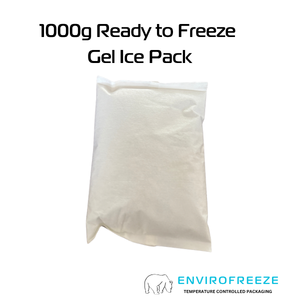
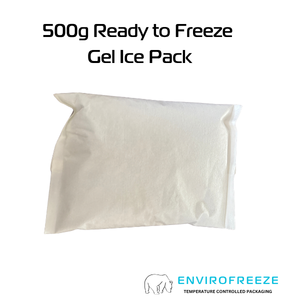
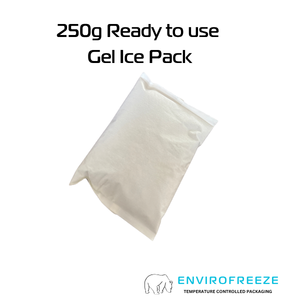
| Reusability | Highest — eliminates waste per use | Switch from single-use gel packs to Envirofreeze reusable dry ice packs or PCM gel bricks |
| End-of-life recyclability | Medium — reduces landfill if material is actually recycled | Wool-lined compostable mailers; recyclable cardboard over polystyrene |
| Right-sizing packaging | Medium — reduces materials and freight cost | Match box size to product; avoid oversized boxes requiring excess refrigerant |
Why Does Cold Chain Packaging Have a Sustainability Problem?
Traditional cold chain packaging — polystyrene boxes, gel packs, single-use foil liners — works well thermally but creates significant waste. Polystyrene is not accepted by most Australian councils’ kerbside recycling. Single-use gel packs contain plastics that are difficult to recycle. The fundamental challenge: packaging has to keep product cold and safe while ideally not creating a pile of non-recyclable waste at the customer’s door.
What Are the Most Sustainable Cold Chain Packaging Options Available in Australia?
- Reusable insulated shippers: Higher upfront cost but lowest per-use environmental impact — a reusable shipper used 50 times outperforms 50 single-use EPS boxes on every sustainability metric
- Envirofreeze reusable dry ice packs: Each pack replaces many single-use alternatives over its life — at the scale of hundreds of parcels per week, the impact adds up quickly
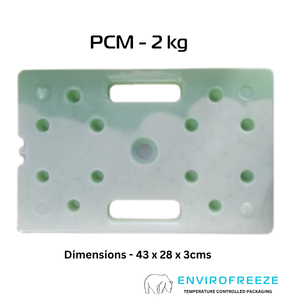
- PCM gel bricks: Engineered for hundreds of reuse cycles — significantly more durable and sustainable than single-use gel packs
- Wool-lined insulated mailers: Natural wool insulation in a cardboard box — both home-compostable; popular with premium Australian food brands
What Are Australia’s Packaging Sustainability Regulations?
Australia’s packaging regulation is tightening. The National Packaging Targets set through the Australian Packaging Covenant Organisation (APCO) aim for 100% of packaging to be reusable, recyclable, or compostable. Cold chain packaging is included. Businesses ahead of the curve on packaging sustainability will be better positioned as these requirements come into full effect.
How Do You Make the Transition to Sustainable Cold Chain Packaging?
- Start with your refrigerant: Switch from single-use gel packs to reusable Envirofreeze dry ice packs or PCM gel bricks — easiest change, most immediate impact, typically reduces per-shipment cost over time
- Evaluate your insulated packaging: Test whether wool-lined or recyclable cardboard alternatives can meet your performance requirements for your typical transit conditions before switching at scale
- Build return logistics if reusable packaging makes sense: For subscription boxes, meal kits, and regular B2B accounts, the economics of packaging return systems typically work above a certain shipment volume
Browse Envirofreeze sustainable cold chain packaging → | Talk to our team →