
Ice Pack vs Heat Pack: When to Use Cold Therapy and When to Use Heat
Ice pack or heat pack — it seems obvious until you get it wrong. Applying heat to a fresh sprain or ice to chronic lower back pain can both actively slow recovery. Here’s the clear guide to when to use each.
Ice Pack vs Heat Pack: Quick Reference
| Situation | Use Cold (Ice Pack) | Use Heat |
|---|---|---|
| Fresh injury (0–72 hrs) | ✅ Yes | ❌ No |
| Active swelling | ✅ Yes | ❌ No |
| Bruising / contusion | ✅ Yes | ❌ No |
| Post-surgical swelling | ✅ Yes | ❌ No |
| DOMS after exercise | ✅ Yes | ❌ No |
| Chronic back/neck pain | ❌ No | ✅ Yes |
| Muscle tension/stiffness | ❌ No | ✅ Yes |
| Arthritis (not acutely inflamed) | ❌ No | ✅ Yes |
| Menstrual cramps | ❌ No | ✅ Yes |
| Warming up before activity | ❌ No | ✅ Yes |
What Is the Simple Rule for Ice vs Heat?
Cold for new injuries. Heat for chronic pain and stiffness. If you’ve just hurt yourself — twisted an ankle, strained a muscle, taken a knock — reach for the ice pack. If you’ve had persistent pain or stiffness for more than a few days with no acute swelling, heat is more likely to help.
Why Does Cold Therapy Work for Injuries?
When you damage tissue, blood vessels dilate and fluid leaks into the surrounding area — that’s what causes swelling and pain. Cold causes blood vessels to constrict, limiting fluid leakage and slowing pain signals to the brain. The sooner you apply cold after an acute injury, the more you limit initial swelling.
When Should You Use an Ice Pack?
Apply cold therapy for:
- Sprains and strains — the first 48 to 72 hours
- Bruising and contusions
- Swelling after a knock or impact
- Post-surgical swelling
- Delayed onset muscle soreness (DOMS) after hard exercise
- Headaches where blood vessel dilation is contributing to pain
Apply cold for 15–20 minutes at a time, with a thin cloth between the ice pack and skin. Every 1–2 hours in the first 24–48 hours for acute injuries, then 3–4 times daily until swelling settles.
When Should You Use a Heat Pack?
Apply heat therapy for:
- Chronic lower back pain and neck stiffness — when there’s no active swelling
- Muscle tension and tightness
- Arthritis pain when not acutely inflamed
- Menstrual cramps
- Warming up muscles before activity
- Residual stiffness after the acute phase has passed (generally after 72 hours)
Apply heat for 15–20 minutes at a time. Always use a cloth barrier between a heat pack and skin. Never fall asleep with a heat pack applied.
What Is the Most Common Mistake with Ice and Heat?
Applying heat to an acute injury with active swelling. Heat dilates blood vessels — exactly the opposite of what you need when tissue is actively swollen and inflamed. It significantly increases swelling and prolongs recovery. If you’re unsure whether you’re in the acute phase, use cold. It’s the safer default for any recent injury.
When Should You Switch from Ice to Heat?
Most acute soft tissue injuries peak in swelling by 48–72 hours. After that, if swelling has settled and you’re left with residual stiffness, heat becomes useful. Once active swelling is gone — heat for ongoing stiffness, ice after activity if it causes reactive swelling.
What Type of Ice Pack Works Best?
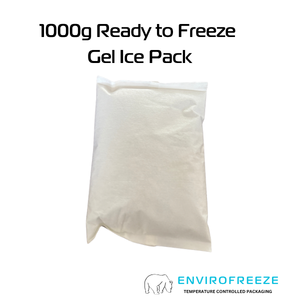
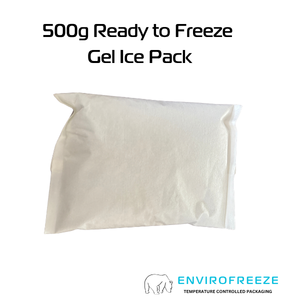
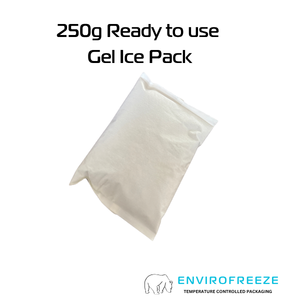
For cold therapy that works, the pack needs to conform to the injured area. Rigid gel packs leave gaps where cold doesn’t penetrate. Envirofreeze dry ice packs are flexible when frozen — they mould to the ankle, knee, elbow, or shoulder for consistent contact. They can also be cut to size for smaller injuries. Browse our dry ice pack range →


Add comment