
What Is Cryotherapy? A Plain-English Guide for Australians
Cryotherapy gets used to mean a lot of different things — from elite athletes stepping into nitrogen-cooled chambers to a school first aid officer applying a frozen ice pack to a sprained ankle. Both are cryotherapy. Here’s what the term actually covers and what it can do for you.
What Is Cryotherapy?
Cryotherapy means cold therapy — “cryo” from the Greek for cold, “therapeia” for healing. Any therapeutic use of cold for health, pain relief, or recovery purposes qualifies. The underlying mechanism in all forms: cold applied to the body causes blood vessels to constrict, slows nerve conduction (reducing pain signals), decreases metabolic activity in affected tissue, and dampens inflammatory responses.
What Are the Different Types of Cryotherapy?
| Type | Method | Best for | Availability |
|---|---|---|---|
| Local ice pack | Frozen pack on injury | Sprains, strains, swelling | Home / first aid |
| Cold water immersion | 10–15°C bath, 10–15 mins | Post-exercise recovery | Home / sports facility |
| Cold shower | Cold water finish | General recovery, alertness | Home |
| Whole-body cryotherapy | −110°C to −140°C chamber | Chronic inflammation, elite recovery | Cryotherapy centres |
| Medical cryotherapy | Extreme cold (liquid nitrogen) | Skin lesion removal | Medical clinic |
How Does Cryotherapy Work in the Body?
When cold touches your skin, blood vessels in the area constrict (vasoconstriction). Less blood flow means less fluid leaking into surrounding tissue, which limits swelling. Nerve fibres carrying pain signals slow down in the cold, which is why applying an ice pack numbs an injury fairly quickly. At the cellular level, cold slows metabolic activity — cells produce fewer inflammatory chemicals. After cold is removed, blood vessels dilate again, bringing fresh blood, oxygen, and nutrients to the area.
What Is Local Cryotherapy and When Is It Used?
Local cryotherapy is a frozen pack applied to a specific injured area for 15–20 minutes. It is the most practical and accessible form — the foundation of the RICE protocol and its modern updates (POLICE, PEACE & LOVE). Key applications include:
- Acute sprains and strains (first 48–72 hours)
- Bruising and contusions
- Post-surgical swelling
- Sports injuries and DOMS recovery
- School and workplace first aid
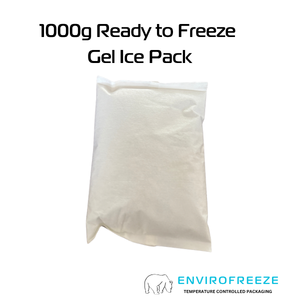
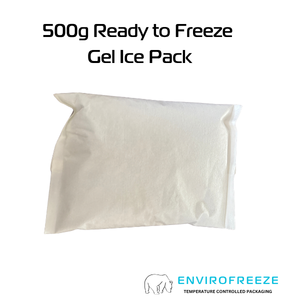
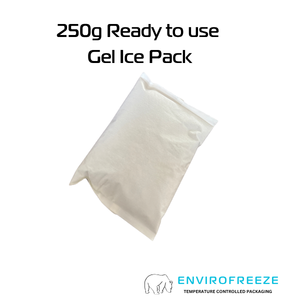
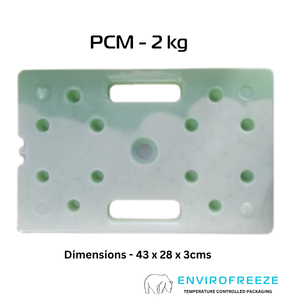
For local cryotherapy to work properly the pack must make good contact with the skin through a thin cloth barrier. Envirofreeze dry ice packs are flexible when frozen — they conform to ankle, knee, elbow, or shoulder contours for consistent contact and can be cut to size. Browse our range →
What Is Cold Water Immersion Cryotherapy?
Submerging in cold water (around 10–15°C) for 10–15 minutes after intense exercise is one of the most evidence-supported recovery methods in sport. It provides systemic rather than local cold exposure, reducing whole-body inflammation and muscle soreness. The evidence base for reducing DOMS and accelerating recovery between training sessions is solid — most elite Australian sporting teams use cold water immersion in their recovery protocols.
What Is Whole-Body Cryotherapy?
Whole-body cryotherapy chambers expose the entire body to extremely cold air — typically between −110°C and −140°C — for 2–3 minutes. Despite those temperatures, dry air conducts heat far less efficiently than water, making it more tolerable than an ice bath. It is used in elite sports recovery, management of chronic inflammatory conditions including rheumatoid arthritis and fibromyalgia, and general wellness. Cryotherapy centres are available in most major Australian cities.
Is Cryotherapy Safe?
Local ice pack cryotherapy is safe when done correctly — cloth barrier between pack and skin, maximum 20 minutes, remove if skin becomes excessively red or numb. People with Raynaud’s disease, peripheral vascular disease, impaired circulation, or cold allergy should seek medical advice before using cold therapy.


Add comment