
RICE vs POLICE vs PEACE & LOVE: Which First Aid Method Should You Use for Sports Injuries in 2026?
If you’ve done a first aid course in the last decade, you know RICE. But sports medicine has moved on, and two newer frameworks — POLICE and PEACE & LOVE — give a more complete picture of how to manage soft tissue injuries properly. Here’s what each one says and what it means in practice.
What Is the Difference Between RICE, POLICE, and PEACE & LOVE?
| Framework | Stands for | Best used for | Key difference |
|---|---|---|---|
| RICE | Rest, Ice, Compression, Elevation | Immediate first aid (first 20 mins) | Original protocol — still valid for immediate response |
| POLICE | Protection, Optimal Loading, Ice, Compression, Elevation | Managing recovery through early days | Replaces “Rest” with graduated movement |
| PEACE & LOVE | See below | Full recovery arc from injury to return | Most comprehensive — covers the whole recovery journey |
Is RICE Still Valid in 2026?
Yes — RICE is still taught and still appropriate as an immediate first aid response to soft tissue injuries. Apply a cold pack, wrap with a bandage, elevate the limb, rest. In the first minutes after an injury, this is exactly right. Where RICE fell short was the word “Rest” — over time it was interpreted as extended passive rest, when evidence shows early graduated movement actually speeds recovery.
What Does POLICE Stand For and How Is It Different?
- P — Protection: Protect from further damage immediately post-injury — not total elimination of movement
- OL — Optimal Loading: Introduce appropriate, graduated movement as early as tolerated — stimulates tissue healing and maintains strength
- I — Ice: Cold therapy for pain and swelling — unchanged from RICE
- C — Compression: Limit swelling — unchanged
- E — Elevation: Reduce fluid accumulation — unchanged
POLICE is most useful for coaches, physiotherapists, and sports trainers managing an injured athlete through recovery — not just the first 20 minutes.
What Does PEACE & LOVE Stand For?
- P — Protection: Limit movement for 1–3 days to minimise bleeding and prevent aggravation
- E — Elevation: Elevate the limb above heart level to reduce swelling
- A — Avoid anti-inflammatory modalities: Inflammation is part of healing — excessive NSAIDs or ice may inhibit tissue repair (controversial, but evidence-based)
- C — Compression: Reduces swelling and tissue haemorrhage
- E — Education: Help the injured person understand recovery is active, not passive
- L — Load: Introduce mechanical stress early and progressively as pain allows
- O — Optimism: Positive outlook correlates with better outcomes in recovery research
- V — Vascularisation: Cardiovascular exercise that doesn’t stress the injured area — maintains fitness during recovery
- E — Exercise: Restore mobility, strength, and proprioception through exercise
Which Protocol Should You Use?
- Immediate first aid (first 20 minutes): RICE — simple, fast, appropriate
- Managing the first 48–72 hours: POLICE — introduces the graduated movement principle
- Full recovery management: PEACE & LOVE — most evidence-based for the complete injury-to-return arc
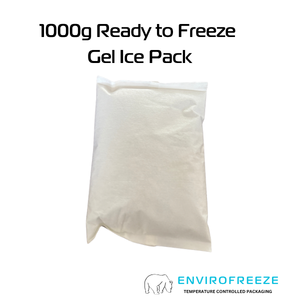
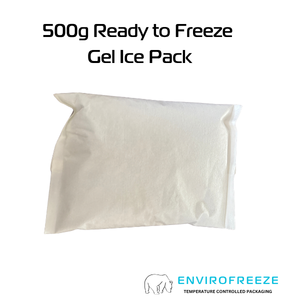
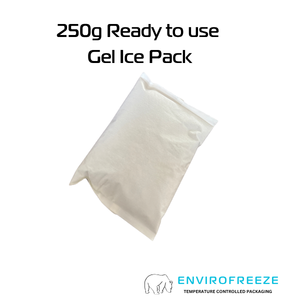
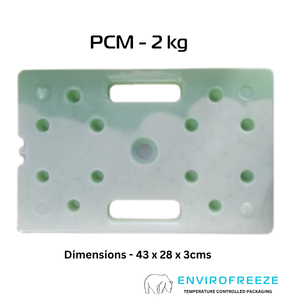
For the ice component of any of these protocols, Envirofreeze dry ice packs are flexible when frozen — they conform to the knee, ankle, or elbow for consistent cold contact. Browse our range →


Add comment