
How to Ship Chocolate in Australian Summer Without It Melting
Chocolate is one of the most unforgiving products to ship in Australia. The melt point of most chocolate sits between 27°C and 32°C — well below the ambient temperatures that Australian summer delivery vehicles, loading docks, and doorsteps regularly reach. A standard cardboard box with no insulation or refrigerant provides almost no protection once it’s in a courier van on a hot afternoon.
The other complication is aesthetic damage. Chocolate doesn’t have to fully melt to be ruined from a customer’s perspective. A bar that softens, shifts, and resolidifies arrives with bloom (the white or grey streaks caused by fat migration), deformed shape, and a texture that’s noticeably different from the original. Customers receiving a melted or bloomed gift box of chocolates don’t usually complain — they simply don’t reorder and don’t recommend you.
This guide is for chocolatiers, confectionery businesses, and gift retailers shipping chocolate to customers across Australia. It covers what you need, when you need it, and the operational decisions that separate businesses that ship chocolate successfully in summer from those that pause operations and lose revenue.
Chocolate Melt Points — Why White Chocolate Is Your Biggest Problem
Not all chocolate melts at the same temperature, and the differences matter for packaging specification.
| Chocolate Type | Melt Point | Risk Level | Notes |
|---|---|---|---|
| White chocolate | 27°C to 29°C | Highest | Cocoa butter only — melts in a warm hand, let alone a delivery van |
| Milk chocolate | 29°C to 31°C | High | Milk fats lower the melt point vs dark — most popular, most at risk |
| Dark chocolate (70%+) | 31°C to 33°C | Moderate | Higher cocoa content raises melt point slightly |
| Ruby chocolate | 28°C to 30°C | High | Similar to white — requires same spec as milk chocolate at minimum |
| Compound chocolate | 33°C to 38°C | Lower | Vegetable fat substitute raises melt point — more transit-tolerant |
| Filled / ganache products | 27°C to 30°C | Highest | Ganache centres melt before the shell — shape collapses even when shell holds |
If your range includes white chocolate, filled chocolates, or milk chocolate truffles, your packaging specification needs to be designed around the most vulnerable product. A box that safely delivers dark chocolate bars may destroy milk chocolate bonbons on the same route in the same conditions.
The Real Problem: It’s Not Just the Transit
Chocolate businesses often focus on the transit time when thinking about cold chain. The reality is that the transit itself is only part of the risk. Three other stages matter just as much:
The dispatch facility. If you’re packing orders in a non-climate-controlled space on a 38°C afternoon, your chocolate is already warm before it goes in the box. Pack in a cool environment or early in the morning.
The courier vehicle. Delivery vehicles are often not refrigerated. A van parked in the sun for 20 minutes reaches internal temperatures well above ambient. Your packaging has to buffer against this.
The doorstep. Residential deliveries that arrive when the customer is out may sit in direct afternoon sun for 2-4 hours. A box that survives the transit can fail on the doorstep. For gift chocolate businesses, this is a particularly frustrating failure point because the customer’s first experience of your product is opening a damaged box.
Which Packaging Do You Need?
Insulated Mailers — The Outer Barrier
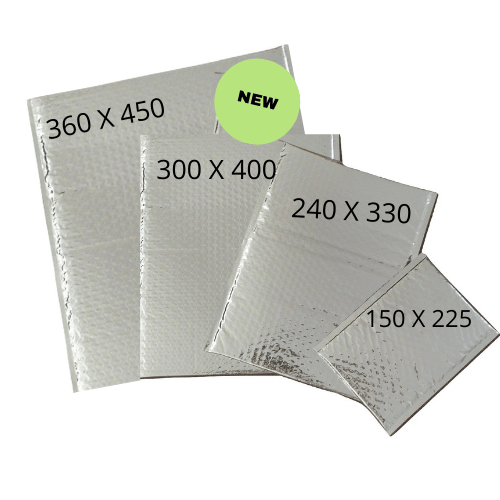
Insulated mailers with foil-lined bubble or foam insulation are the starting point for chocolate shipping. They significantly reduce heat transfer into the box during transit and doorstep dwell time. The insulation quality — measured by wall thickness and R-value — determines how long your refrigerant stays effective.
For mild conditions (below 28°C ambient) and short transit times, a standard insulated mailer may be sufficient without refrigerant. For Australian summer — anything above 28°C ambient, or any transit longer than 4-6 hours — you need both insulation and active refrigerant.
Dry Ice Packs — For Keeping the Box Below 20°C
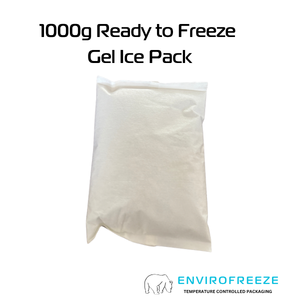
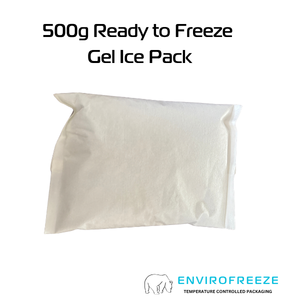
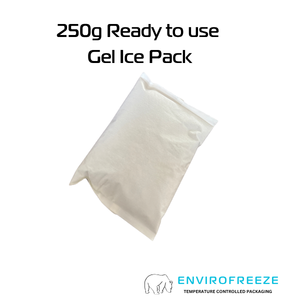
Dry ice packs — flexible polymer ice sheets that freeze at 0°C — are the most practical refrigerant for most chocolate shipping applications. They keep the interior of the box well below chocolate melt points, they don’t melt into water that could damage packaging or product, and they’re available in bulk quantities that suit high-volume production days.
One important note: dry ice packs should not be placed in direct contact with chocolate, particularly fine chocolates with tempered shells. Temperature shock from direct contact with a 0°C pack can cause condensation and bloom on the chocolate surface. Use a barrier layer — a sheet of tissue paper, a thin cardboard insert, or the product’s own inner box — between the ice pack and the chocolate.
PCM Gel Bricks — For Extended Transit or Premium Products
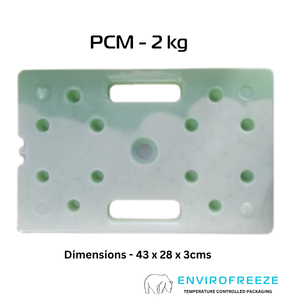
PCM gel bricks at 15°C or 18°C absorb heat at a temperature above the chocolate melt point rather than driving the box temperature all the way down to 0°C. This makes them useful for premium gift chocolate where you want to maintain a moderate, stable temperature without the risk of condensation or temperature shock from over-cooling.
PCM gel bricks provide longer holdover than standard dry ice packs for the same mass, making them more effective for 2-day regional deliveries or extended doorstep exposure in summer. They’re heavier and more expensive per unit but reusable — worth considering if you run a subscription box or repeat-order business where customers return packaging.
Summer vs Winter Packaging Specification
Running the same packaging specification year-round is a common mistake for chocolate businesses. A system validated in April will underperform in January. The simplest approach is two seasonal specs with a clear switchover date.
| Season | Ambient Temp | Recommended Spec |
|---|---|---|
| Mild (Apr–Oct, southern states) | Below 25°C | Insulated mailer + 1-2 dry ice packs |
| Warm (Nov–Mar, southern states) | 25°C to 32°C | Higher R-value mailer or EPS box + 2-3 dry ice packs |
| Hot (Dec–Feb, peak summer) | 32°C+ | EPS box + 3-4 dry ice packs, dispatch Mon–Wed only, morning dispatch |
| QLD / NT year-round | 28°C to 38°C | Treat as peak summer specification year-round |
Dispatch Day Rules — The Simplest Way to Reduce Summer Failures
Packaging specification is only part of the solution. Dispatch day discipline prevents failures that better packaging can’t fix.
No Thursday or Friday dispatch in summer. A parcel that misses Friday delivery sits in a depot or vehicle over the weekend. In summer, that’s 2-3 days of heat exposure with no refrigerant left. Weekend failures generate the most customer complaints and replacements for chocolate businesses.
Dispatch in the morning. Parcels entering the courier network before 10am travel overnight in cooler conditions. Afternoon dispatch enters the network during peak ambient temperatures.
Pause during extreme heat events. When a multi-day heat event is forecast (3+ consecutive days above 38°C in the destination city), consider holding orders rather than shipping into conditions your packaging can’t reliably handle. One proactive customer communication about a short delay costs less than the replacements and brand damage from multiple melted deliveries.
Seasonal Peaks — Getting Packaging Right Before You Need It
The four biggest chocolate sales peaks in Australia — Easter, Mother’s Day, Father’s Day, and Christmas — all carry cold chain risk. Easter and Christmas fall in or near summer in Australia’s context (Christmas obviously, Easter in the tail of summer). Mother’s Day in May is generally manageable, but Father’s Day in September can see warm early-spring conditions in northern states.
Envirofreeze supplies dry ice packs in 100 to 1400-pack quantities and insulated mailers in bulk. For businesses approaching a peak period, confirming packaging supply 4-6 weeks in advance avoids the situation where you’re fully booked for Easter orders and packaging is unavailable.
To discuss your chocolate shipping requirements, contact the Envirofreeze team on 1300 282 796 or email envirofreeze@venturelabs.com.au.
Related Reading
- Cold Chain Packaging for Wine and Craft Beer Shipping in Australia
- Can I Ship Frozen Food Without It Melting? A Practical Australian Guide
- How Much Does It Cost to Ship Temperature-Sensitive Products in Australia?
- Cold Chain Packaging for Food Businesses in Australia
- The True Cost of Cold Chain Failure in Australia

Add comment