
Cold Chain Packaging for Wine and Craft Beer Shipping in Australia
Wine and craft beer present a cold chain challenge that’s different from food: you’re protecting against two opposite risks simultaneously. In an Australian summer, a bottle of wine left in a courier van at 40°C suffers irreversible heat damage — the wine cooks, corks push, and ullage forms. In a southern winter, the same bottle shipped without adequate insulation can freeze in transit, expanding inside the bottle and cracking the cork seal.
Most cold chain packaging guides focus on keeping things cold. Wine and craft beer shipping requires keeping things within a range — not too hot, not too cold — which adds a layer of complexity that standard food cold chain specs don’t address. This guide covers the thermal requirements, the right packaging, and the seasonal adjustments that Australian wineries, DTC wine businesses, and craft breweries need to get right.
What Temperature Does Wine Need During Transit?
Wine is best transported and stored at 12-18°C. This is not a food safety requirement — wine won’t make anyone sick if it gets warm — but it is a quality requirement. Heat damage to wine is permanent and cumulative: a bottle that spends 4 hours at 35°C arrives degraded, and there’s no way to restore it.
| Product | Ideal Transit Temp | Damage Threshold | Notes |
|---|---|---|---|
| Red wine | 12°C to 18°C | Above 25°C for extended periods | Heat damage accelerates above 25°C — “cooked” flavours, cork push |
| White / rosé wine | 8°C to 15°C | Above 20°C for extended periods | More sensitive than red — oxidation accelerates at lower temps |
| Sparkling wine | 8°C to 12°C | Above 20°C; freezes around -7°C | CO₂ pressure increases with heat — risk of cork failure |
| Craft beer (ales, lagers) | 4°C to 15°C | Above 25°C; freezes around -3°C | “Skunking” from light and heat — amber glass helps, temperature control essential |
| Cider | 4°C to 15°C | Above 20°C | Similar to beer — heat accelerates oxidation and yeast activity |
| Natural / unfined wine | 10°C to 15°C | Above 22°C | Live cultures more sensitive to temperature extremes |
The practical implication is that you’re not trying to keep wine cold like you would raw meat — you’re trying to keep it cool. Standard dry ice packs that maintain 0°C would be too cold for wine in direct contact. The goal is a moderate, stable temperature throughout transit.
The Australian Summer Problem — Heat Is the Primary Risk
In Australia’s eastern states from November through March, ambient temperatures in courier vehicles and at loading docks regularly exceed 35°C. An uninsulated wine bottle in a standard cardboard shipper can reach 40°C+ within a few hours. This is the scenario that damages wine most frequently in the Australian DTC market.
Signs of heat damage in wine: pushed or stained corks, wine weeping around the cork, ullage (gap between wine and cork) larger than normal, and obvious “jammy” or “cooked” flavours on opening. Customers recognise heat-damaged wine, and the resulting complaints, replacements, and brand damage cost significantly more than the packaging upgrade that would have prevented it.
Summer Packaging Specification
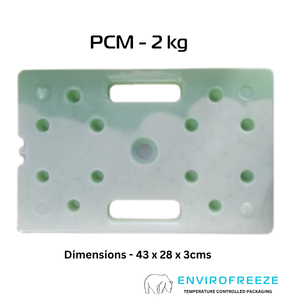
For summer wine shipping (November–March in southern Australia; year-round in Queensland and Northern Territory), the packaging stack needs to actively reduce the temperature inside the box relative to ambient conditions. PCM gel bricks at 12°C or 15°C are well suited to wine applications — they absorb heat at exactly the temperature range you’re trying to maintain, providing much longer holdover than standard ice packs without risking chilling the wine below its optimal range.
Combined with a well-insulated outer box, PCM gel bricks at the right temperature can keep wine within its optimal range for 24-36 hours even in summer ambient conditions — sufficient for most overnight metro and short interstate routes.
The Winter Problem — Freezing Is a Real Risk Too
Wine freezes at approximately -6°C to -9°C depending on alcohol content — lower alcohol wines freeze at higher temperatures. Craft beer with lower alcohol content freezes closer to -3°C. In Tasmania, alpine Victoria, and high-altitude South Australian wine regions, winter overnight temperatures can approach or exceed these thresholds, and courier vehicles that park overnight in exposed areas compound the risk.
A frozen wine bottle doesn’t necessarily mean a ruined wine — if the cork holds and the bottle doesn’t crack, the wine may recover on thawing. But the cork is often pushed or cracked by the expansion, the seal is compromised, and the customer receives a product that’s visibly damaged even if the wine inside is fine. The risk is real enough to warrant insulated packaging year-round for southern state and alpine region deliveries.
Which Packaging Do You Need?
Insulated Mailers — For Parcel-Size Shipments
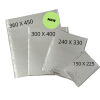
Insulated mailers with foil-lined bubble or foam insulation provide the thermal barrier that slows temperature change in both directions — keeping heat out in summer and keeping cold out in winter. For 1-3 bottle parcel shipments targeting overnight metro delivery in mild conditions, a quality insulated mailer with appropriate PCM gel bricks provides sufficient protection.
For summer, upgrade to a higher R-value mailer or EPS box. The additional insulation cost is a fraction of the replacement cost of a heat-damaged bottle of premium wine.
PCM Gel Bricks — Temperature-Specific Refrigerants
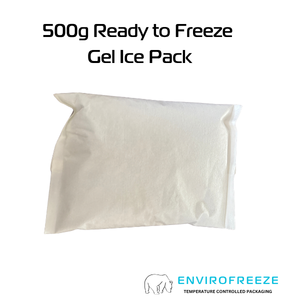
Standard dry ice packs freeze at 0°C — direct contact with a wine bottle at 0°C risks the wine getting too cold, particularly white wines and sparkling wine which can approach their freeze point. PCM gel bricks formulated at 12°C or 15°C are the better choice for wine: they absorb heat at the temperature you’re actually trying to maintain, providing effective cooling without the risk of over-chilling.
In winter, standard insulation without any refrigerant may actually be the right call for red wine in moderate climates — the goal is simply to buffer the bottle from extreme cold, not to cool it further. In summer, PCM gel bricks are essential.
Thermal Pallet Covers — For Wholesale and Cellar Door Dispatch
For wineries and distributors dispatching pallets to retailers, restaurants, or interstate warehouses, thermal pallet covers protect the entire pallet during loading dock exposure — the most vulnerable period of the cold chain. A pallet of wine sitting on an exposed loading dock at 38°C for 30 minutes gains significantly more heat than the same pallet covered with a thermal blanket.
Dispatch Day Rules for Wine
Day-of-week dispatch discipline matters as much as packaging for wine shippers. Wine shipped on Thursday risks sitting in a depot or delivery vehicle over the weekend in summer heat if the Friday delivery fails. Most experienced DTC wine businesses dispatch Monday through Wednesday only during summer months, accepting the order cut-off friction in exchange for avoiding the weekend exposure risk.
Early morning dispatch reduces the time wine spends in vehicles during the hottest part of the day. If you’re dispatching in the afternoon, your wine is entering the courier network during peak ambient temperatures and spending the overnight period in a depot that may or may not be temperature-controlled.
Bulk Ordering for Wineries and Craft Breweries
Wine and craft beer businesses typically have clear seasonal patterns — harvest releases, summer DTC peaks, Christmas case sales — that make forward ordering of packaging practical and cost-effective. Envirofreeze supplies PCM gel bricks and insulated mailers in bulk, with pricing that scales at volume.
For businesses approaching a seasonal release or a high-volume campaign, confirming packaging supply 4-6 weeks in advance avoids the situation where a winery is ready to dispatch and packaging is on backorder. Contact the Envirofreeze team on 1300 282 796 or email envirofreeze@venturelabs.com.au to discuss your seasonal volumes.
Related Reading
- How to Ship Chocolate in Australian Summer Without It Melting
- Cold Chain Packaging for Seafood Shipping in Australia
- Phase Change Materials for Cold Chain Management in Australia
- How Much Does It Cost to Ship Temperature-Sensitive Products in Australia?
- The True Cost of Cold Chain Failure in Australia



Add comment